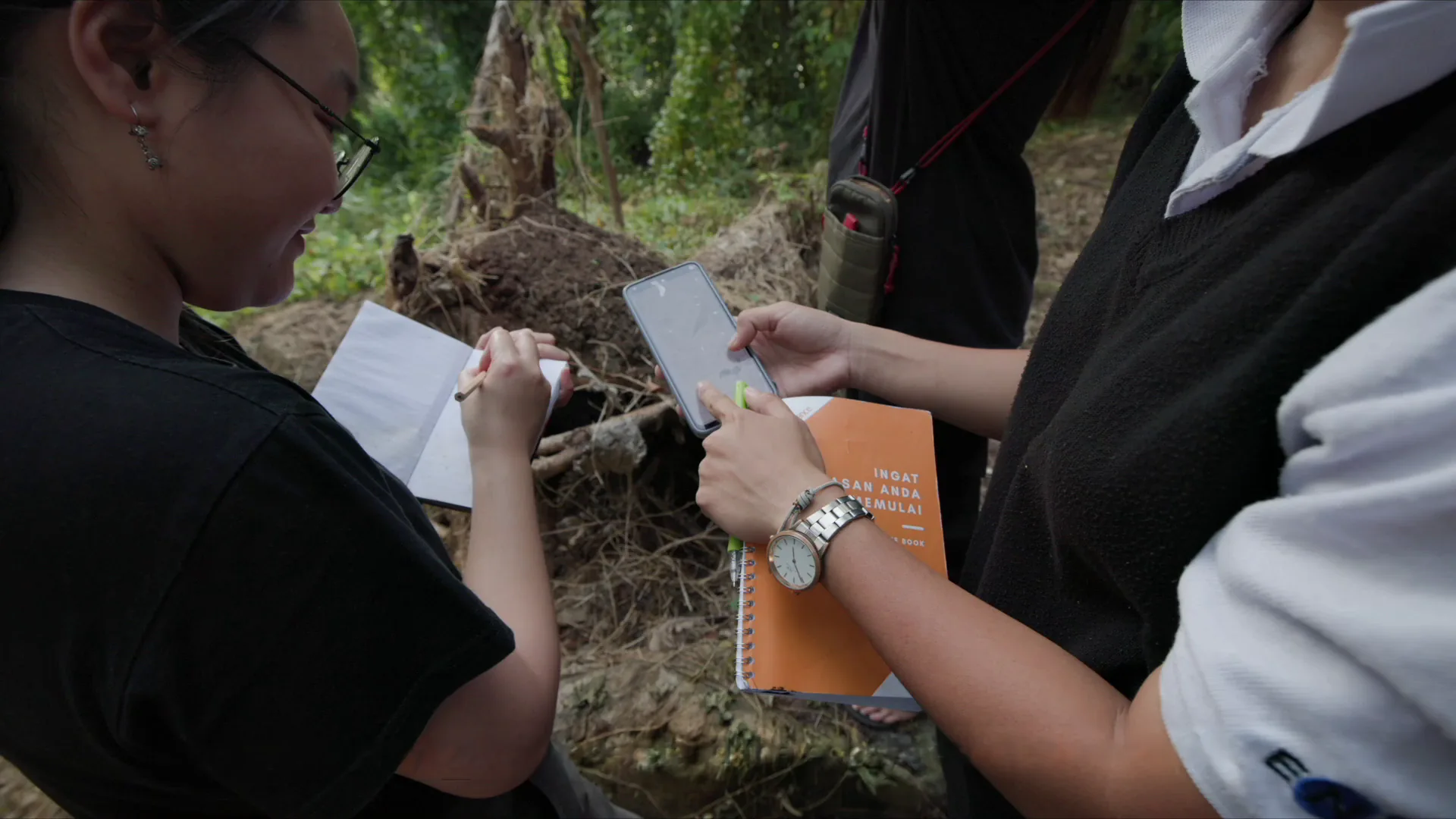
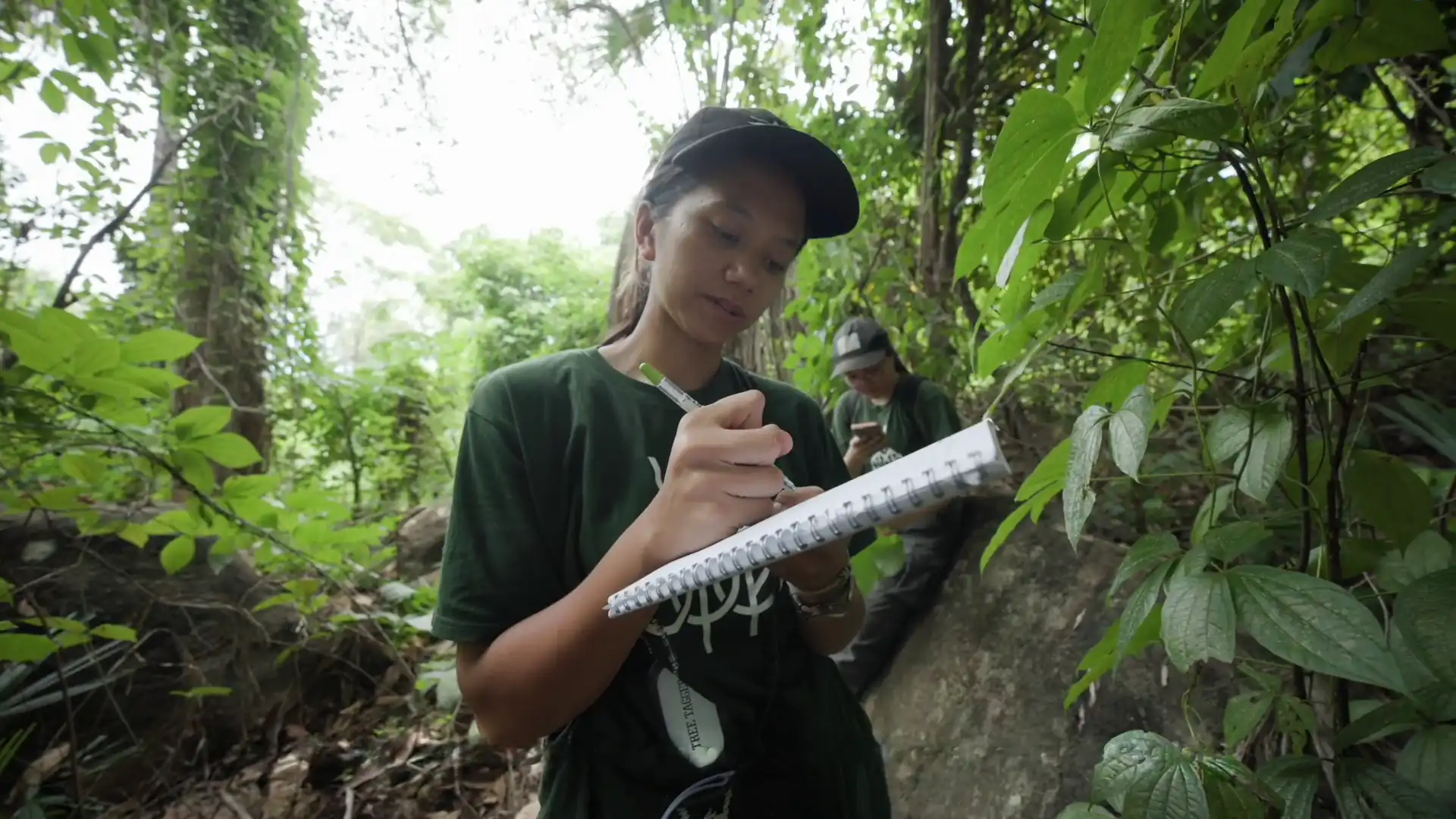
At Pulisanbay, conservation isn't a side project — it is the very foundation upon which everything is built.
Named in honor of Alfred Russel Wallace — the naturalist who first documented the extraordinary biodiversity of this region — the Wallace Conservation Licoupang (WCL) serves as Pulisanbay's dedicated center for ecosystem education and regional biodiversity research.
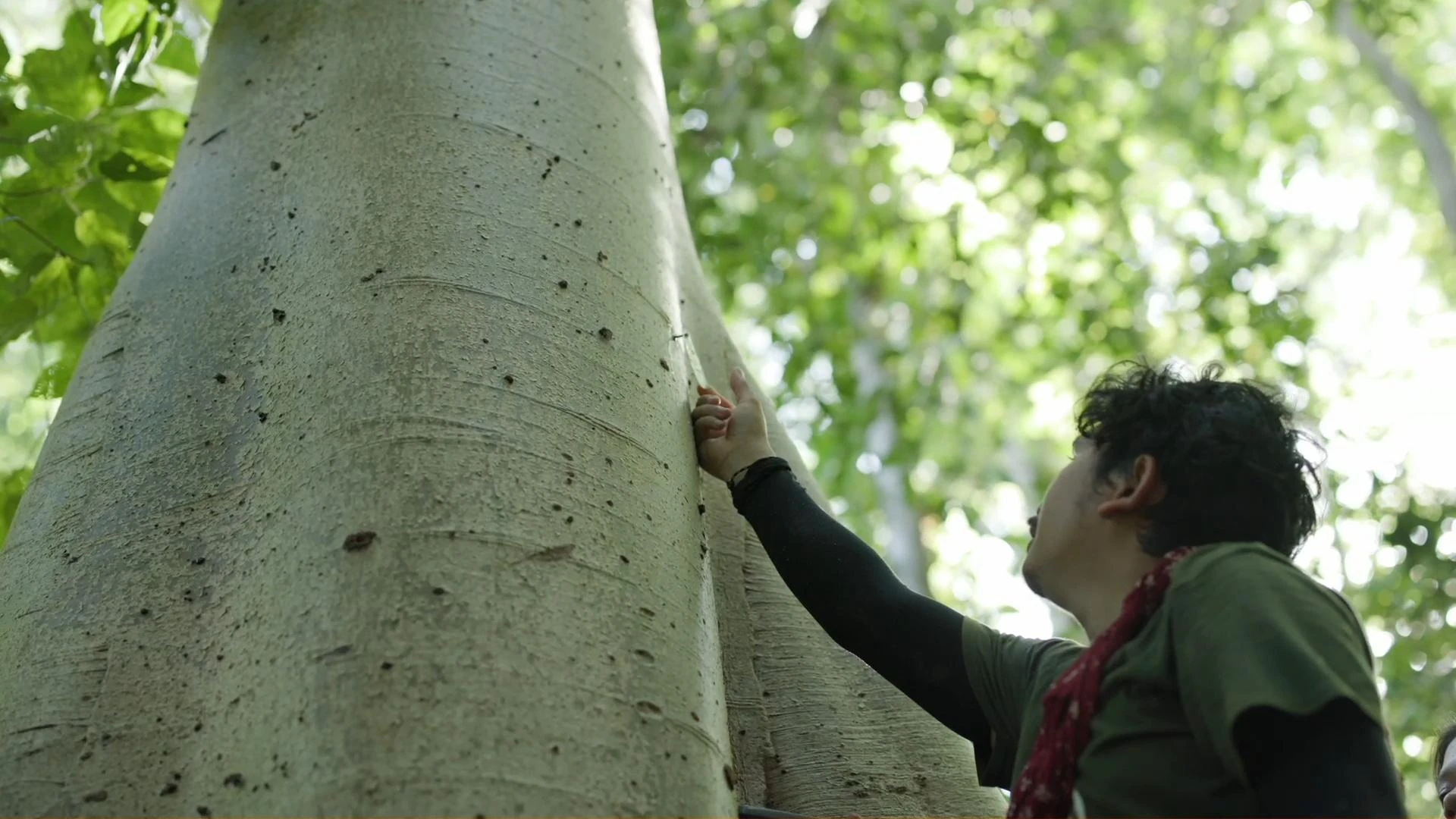
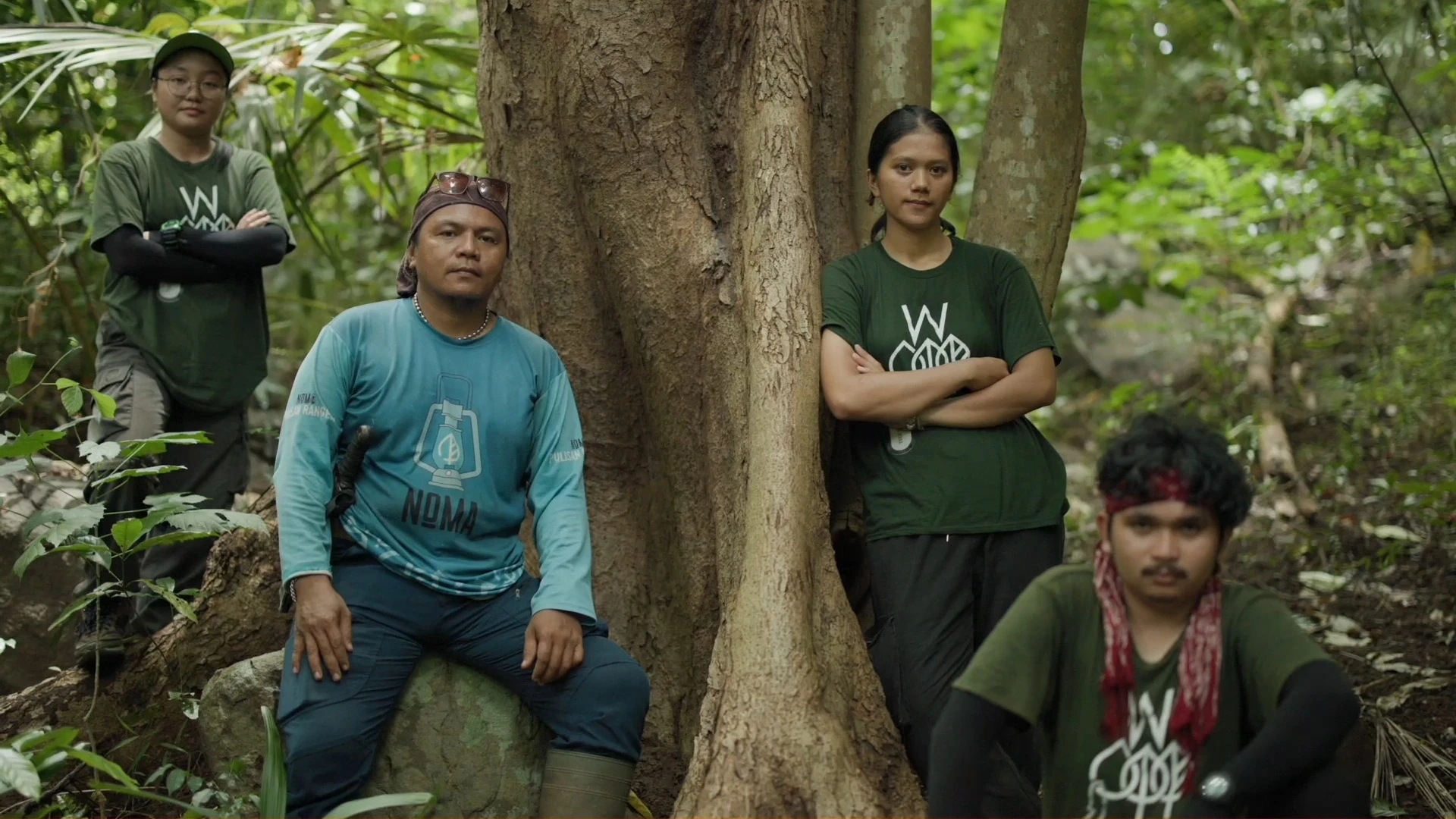
WCL conducts field studies on endemic species, hosts educational programs for visitors and local students, and collaborates with international conservation organizations to protect the Wallacea bioregion's unique ecological heritage.
Guests are invited to participate in guided conservation walks, attend wildlife briefings, and even contribute to citizen science projects during their stay.
More About WCL
Reduce. Reuse. Recycle. Our comprehensive approach to environmental stewardship ensures that every aspect of Pulisanbay's operation treads lightly on the earth.
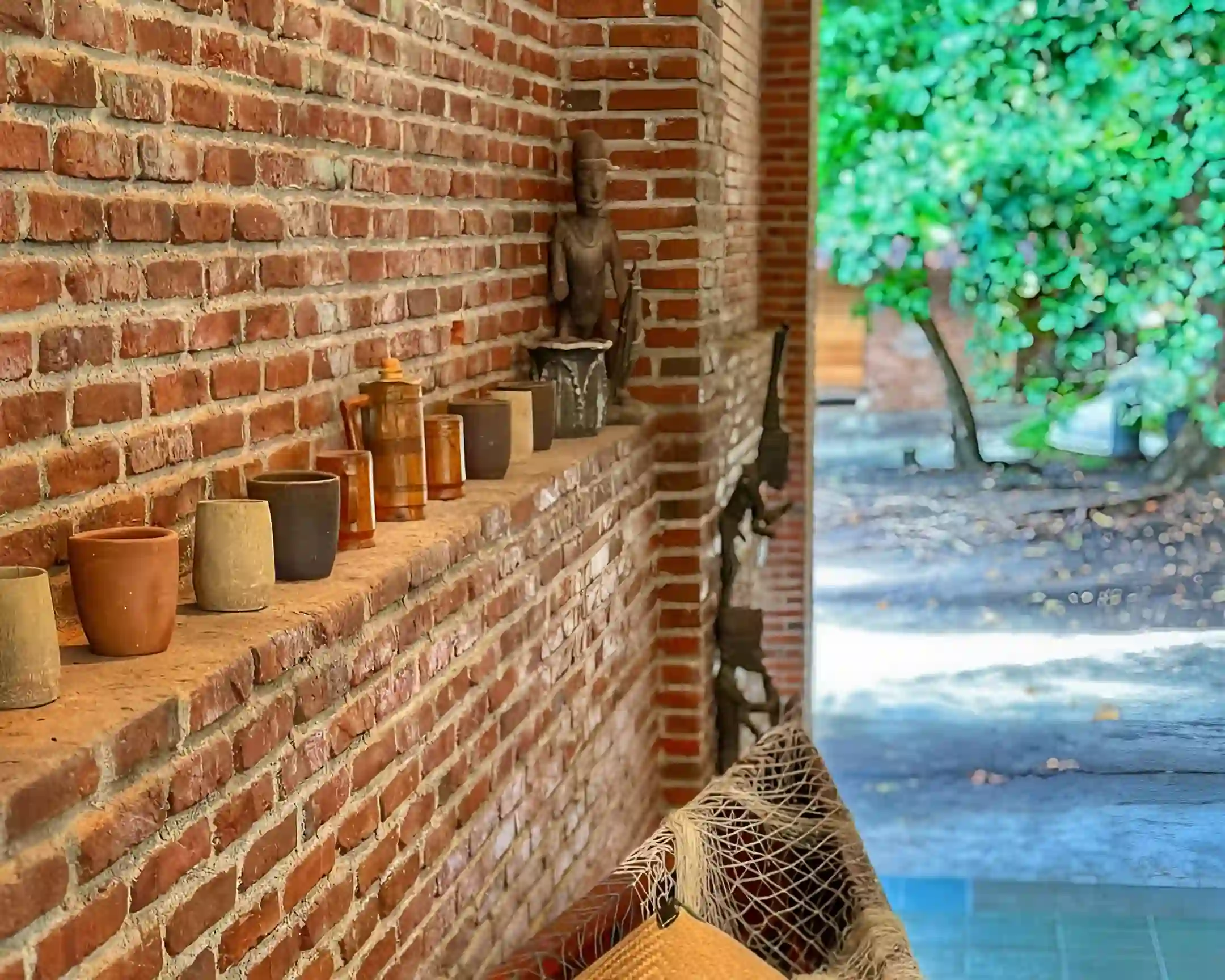
Minimizing waste generation through thoughtful procurement, eliminating single-use plastics, and adopting sustainable building materials sourced from the region. Every operational decision is guided by its environmental footprint.
Implementing creative reuse programs — from composting organic waste for resort gardens to repurposing construction materials for community projects.
State-of-the-art waste processing facilities ensure that recyclable materials are properly sorted, processed, and reintroduced into the supply chain.
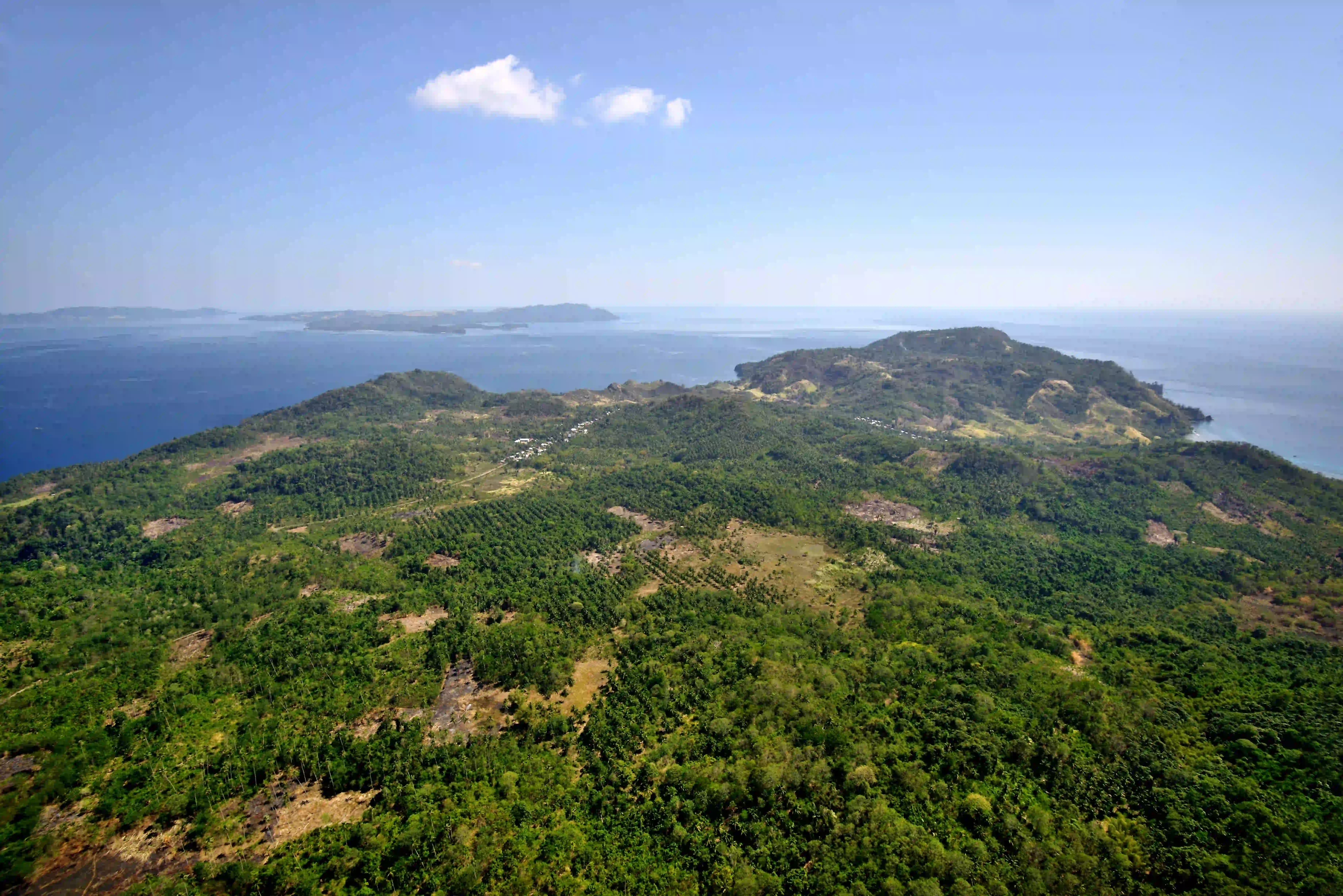
Pulisanbay's development is intrinsically linked to the preservation of the surrounding protected forest — a vital habitat for endemic species and a crucial carbon sink for the region.
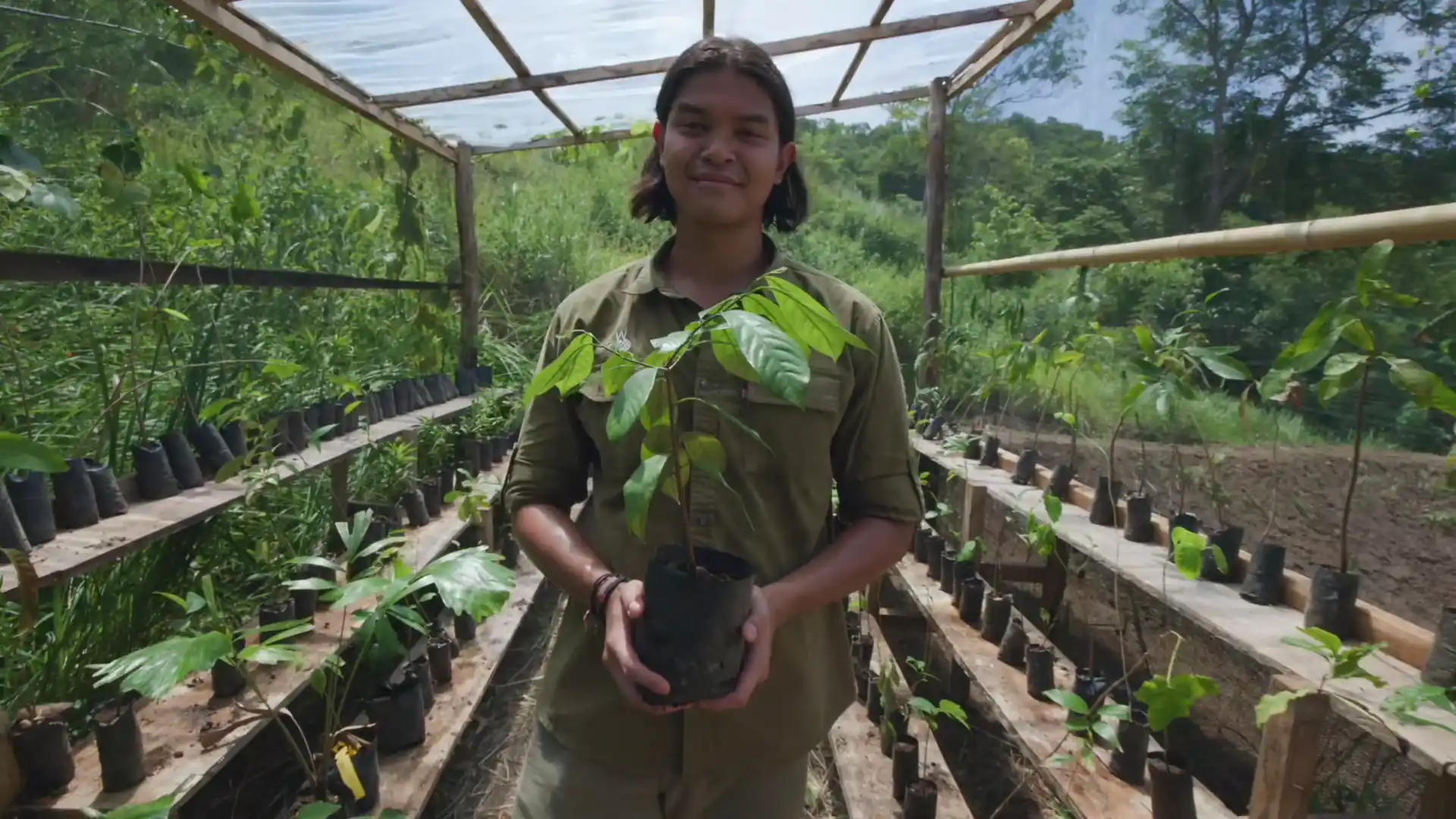
Through active reforestation programs, anti-poaching patrols with trained local rangers, and partnerships with international conservation bodies, we ensure that our presence enhances — rather than diminishes — the ecological integrity of this irreplaceable landscape.
The strategic partnership between Pulisanbay and Universitas Sam Ratulangi (UNSRAT) strengthens conservation efforts through the integration of academic research capabilities and regenerative ecotourism management.
Collaborative field research for biodiversity protection
Forestry and environmental students participate directly in permaculture management, eco-trail maintenance, and forest exploration — building practical conservation skills while learning to live in harmony with nature.
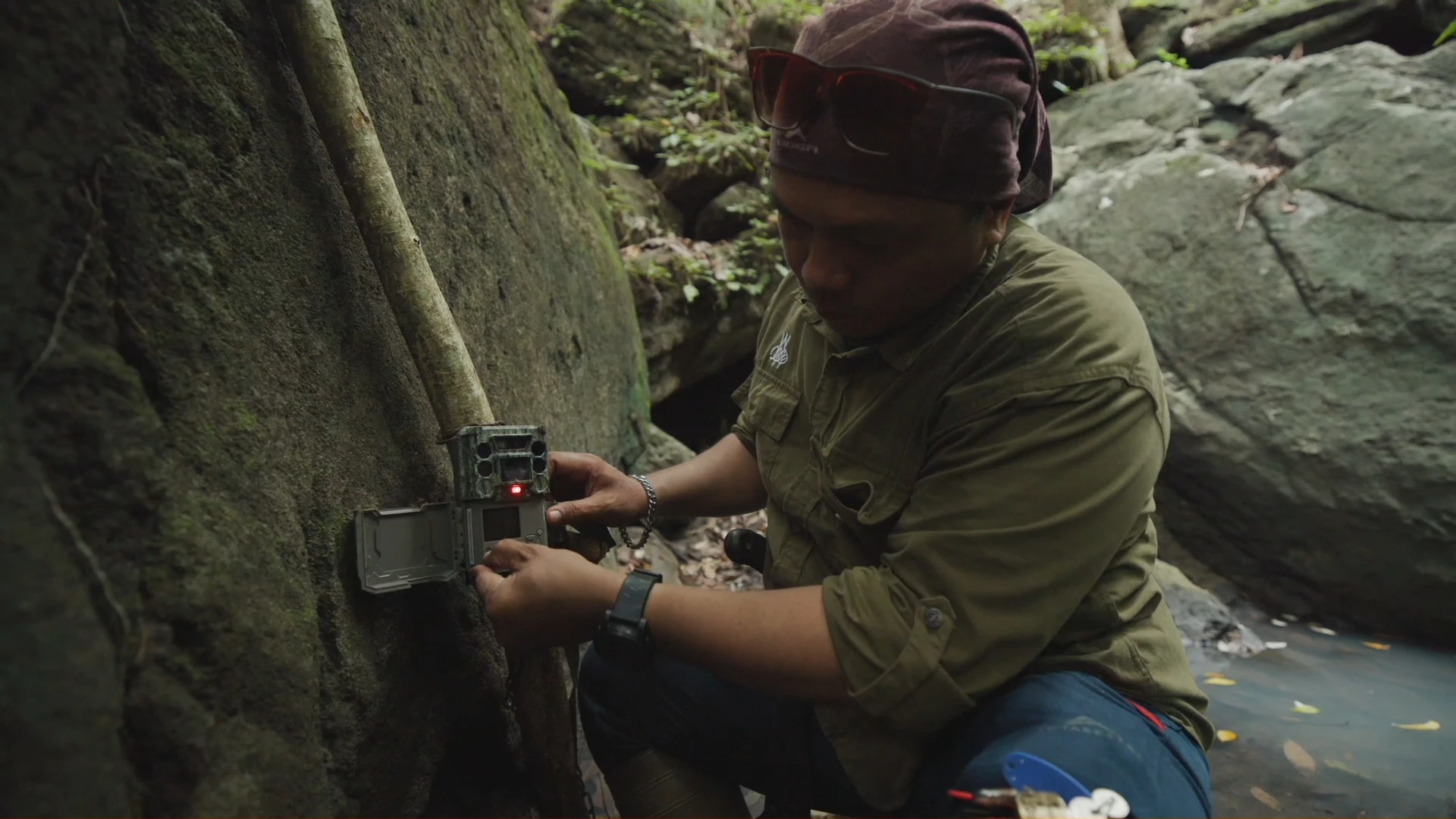
Collaborative research with Wallace Conservation Licoupang uses camera traps to document and confirm the presence of protected endemic species such as the Yaki (Macaca nigra). This scientific data is critical for shaping effective biodiversity protection strategies in the Likupang region.